
2026-08-19 · Diego Florentino
Choosing Shingles That Handle Austin Summer Heat
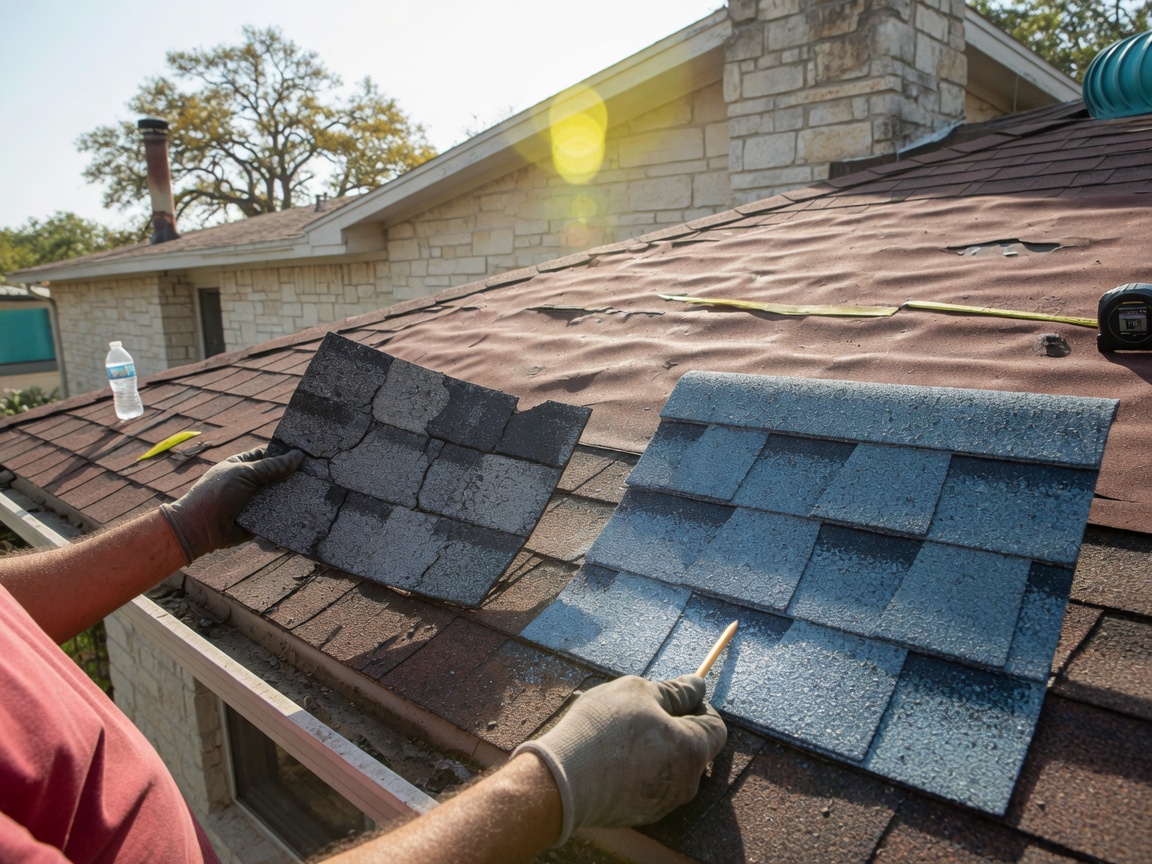
For Austin's hot humid summers, choose asphalt shingles with a solar reflectance index of 20 or higher to cut surface temperatures by 20–30 degrees and add 5–10 years to service life compared with standard products.
How Austin Heat Affects Shingle Performance
Austin summers push roof surfaces above 160 degrees on south-facing slopes in neighborhoods such as Zilker and Barton Hills. The combination of intense sun and high humidity accelerates granule loss and asphalt oxidation, especially on homes built before 1990 that still carry 3-tab shingles. In Travis County, where spring wildflowers give way to long dry spells, this cycle shortens roof life unless the shingles reflect rather than absorb heat. Homeowners in East Austin and Clarksville notice faster cracking on darker shingles because those colors trap heat near the deck. Proper selection starts with checking the manufacturer's reflectance data rather than color alone.
Key Features to Look for in Heat-Resistant Shingles
Look for products labeled cool-roof or with solar reflectance values above 0.25. These shingles use reflective granules or coatings that bounce sunlight away before it warms the mat. Architectural shingles in lighter hues such as light gray or tan often meet this threshold while still fitting the look of homes in Hyde Park and Mueller. Pair the choice with attic ventilation upgrades; the linked guide on Attic Ventilation Fixes for Hot Austin Summers shows how ridge and soffit vents lower deck temperatures another 10–15 degrees. Avoid dark 3-tab products that reach peak heat faster and require earlier replacement.
Installation Details That Matter in Local Conditions
When crews install new shingles on Travis County homes, they align seams away from prevailing summer winds and use longer fasteners to hold through expansion cycles. In areas like South Congress and Westlake, where many roofs sit on steeper pitches, installers add extra underlayment along valleys to handle occasional heavy downpours after heat waves. Round Rock and Pflugerville customers often request the same reflectance-rated shingles because the same weather patterns extend north. The process takes one to two days on a typical 1,800-square-foot house and includes checking deck integrity before the first course goes down.
When to Review or Upgrade Existing Shingles
After any storm season, compare current shingle condition against the heat-performance standards above. The article When to Repair Versus Replace After Storm Damage in Austin outlines the decision points for Travis County roofs. In Cedar Park and nearby subdivisions, many 15-year-old roofs still carry original dark shingles that now show widespread granule shedding. Upgrading at that point to reflectance-rated architectural shingles restores cooling performance without a full structural change. Homeowners can inspect from the ground for cupped edges or bald spots that signal the need for a professional assessment.
Practical Next Steps for Austin Homeowners
Start by noting your current shingle color and age, then request reflectance data on replacement options. For properties in Downtown or Travis Heights, lighter cool-roof shingles maintain curb appeal while cutting cooling loads. Asphalt Shingle Roofing crews familiar with local decks can confirm fit during an inspection. This focused selection process keeps roofs performing through repeated 100-degree stretches without unnecessary replacements.