
2026-08-19 · Diego Florentino
How to Spot Roof Leaks After Spring Storms in Austin
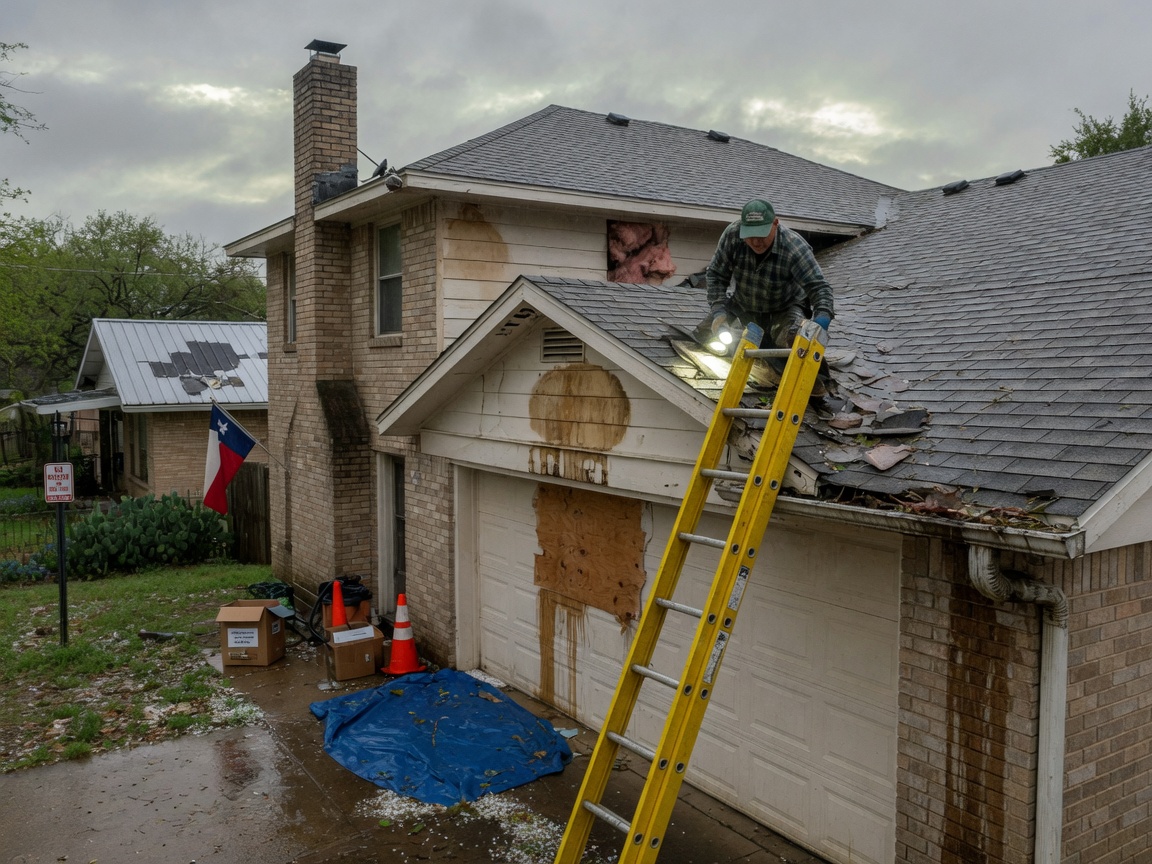
After spring storms pass through Austin, roof leaks typically appear first as dark water stains on attic sheathing or insulation within 48 to 72 hours of heavy rainfall. Checking these spots early prevents rot from spreading into the 50- to 80-year-old framing common in Travis County homes.
Inspecting the Attic for Moisture Signs
Austin homes in Hyde Park and Clarksville often feature older rafters that trap moisture after April and May downpours. Climb into the attic with a bright flashlight and scan for dark streaks along the underside of the roof deck, especially near valleys and penetrations. Damp insulation feels cool and may smell musty within days of a storm. Note any daylight visible through the deck boards, which signals missing or displaced shingles. In homes built before 1970, check around plumbing vents and chimneys where flashing has shifted from wind-driven rain. Document locations with photos to track whether spots grow after the next rain. These steps help distinguish storm-related intrusion from gradual wear caused by the area's mild winters followed by intense summer heat.
Spotting Ceiling and Wall Discoloration
Water that reaches interior ceilings often shows as yellowish or brownish rings on drywall in living rooms and upstairs bedrooms. In South Congress and Travis Heights bungalows, leaks frequently track along the slope toward interior walls. Press gently on suspected areas; soft or bubbling texture indicates saturated drywall that needs prompt drying. Measure the size of each stain so you can compare growth after subsequent storms. Pay special attention to rooms directly below roof valleys or where two roof planes meet. In East Austin properties with flat additions, check around skylight curbs where sealant cracks allow water to migrate sideways. Early detection keeps repairs limited to small drywall patches rather than full ceiling replacement.
Examining Roof Edges, Flashing, and Gutters
Walk the perimeter after storms and look for granules collecting in gutters or at downspout bases, a sign that shingles lost surface material during hail or wind. Check metal flashing at chimneys, skylights, and wall intersections for lifted edges or rust holes that let water run behind siding. In Zilker and Barton Hills neighborhoods, mature trees drop debris that clogs gutters, forcing water under eaves and into soffits. Clear debris and verify that downspouts discharge at least 5 feet from the foundation. Examine fascia boards for dark staining or peeling paint, which often marks repeated overflow from spring rains. These exterior checks complement attic inspections and reveal entry points before water reaches living spaces.
Knowing When Professional Assessment Is Needed
If stains continue to enlarge after two or three rains, or if you find widespread attic moisture across multiple bays, schedule a detailed roof inspection. Homes in Mueller and Westlake with complex rooflines often require infrared scanning to locate hidden wet insulation. When leaks appear near multiple penetrations, professional roof leak repair can address flashing and underlayment issues before summer humidity accelerates mold growth. Properties showing granule loss after storms may also benefit from a storm damage assessment to document conditions for insurance. Linking these checks with attic ventilation improvements helps reduce moisture buildup during the humid months that follow spring weather. Consistent monitoring after each storm protects the roof deck and keeps interior repairs minimal across Austin's varied housing stock.